


- Shop By CategoryProducts
- Specials
- Lawn Mowers
- Ride-on & Zero Turn
- Chainsaws & Pole Saws For Sale
- Chipper Shredders
- Log Splitters
- Trimmers & Brushcutters
- Hedge Trimmers
- Blowers & VACs
- Edgers
- Battery and Electric Products
- Generators
- Concreting Equipment
- Pressure Washers
- Sprayers
- KombiSystem & MultiTools
- Garden Hand Tools
- Water Pumps
- Tillers and Cultivators
- Aerators
- Augers
- Engines
- Vacuum Cleaners & Sweepers
- Safety Gears
- Accessories
- Spare Parts
- Hire Department
- Second Hand Products
- Warehouse Clearance
- Gift Cards
- Spring Sale
 Accessories
 Spare Parts
 Brands
 Hot Dealsnew
 Services
 Stores
 Gift Cards
 Wishlist
 My account



How to Choose a Floor Saw for Your Construction Needs
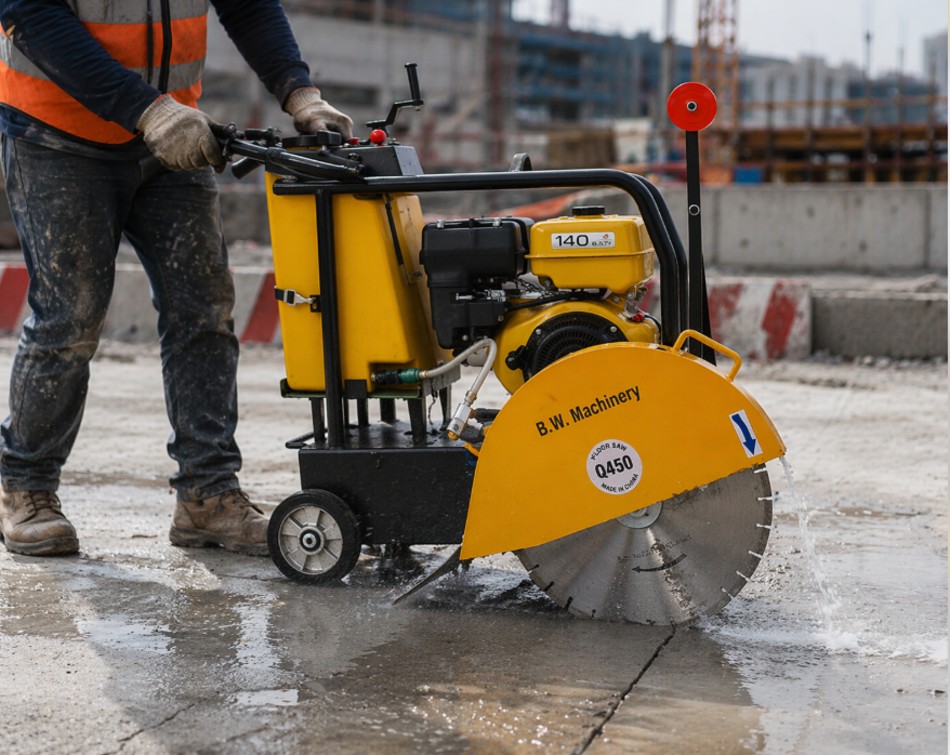
Finding the right floor saw is a must for anyone who works in construction, civil works, or the building industry. Whether you’re cutting concrete driveways in the suburbs or working on major roadworks and infrastructure projects, the type of floor saw you choose will certainly have an impact on efficiency, safety, and the overall quality of your work.
With so many options available, understanding the different types will help you make the right purchase. Keep reading for expert tips and tricks, as well as everything else you’ll need to know!
What Is a Floor Saw?
A floor saw, also known as a road saw or slab saw, is a powerful, heavy-duty machine specifically designed for cutting through hard, horizontal surfaces like concrete, asphalt, and pavement.
Unlike handheld saws, floor saws offer superior cutting depth, stability, and precision, making them the ideal choice for demanding jobs. They are commonly used for cutting expansion joints, creating trenches for plumbing and electrical work, repairing roads, and slicing through thick concrete slabs.
Why the Right Saw Matters
Using the wrong floor saw can lead to a number of issues, such as poor cut quality, excessive blade wear, and even safety risks. An underpowered machine may struggle with reinforced concrete, while an oversized industrial saw could be unnecessarily expensive and difficult to manoeuvre in smaller jobs.
Matching the right floor saw to your specific project results in better quality work, improved productivity, and reduced long-term costs.
Types of Floor Saws
There are several types of floor saws available on the market, each suited to different environments and jobs. Petrol floor saws are among the most common, offering strong performance and flexibility for outdoor or remote worksites where electricity may not be available. Widely used in roadworks and general construction for their reliability, they can be noisy and produce exhaust fumes, so always wear protective gear.
Diesel floor saws are typically used for large-scale infrastructure projects such as road works on major highways. They provide high torque and are built for long-duration cutting, making them ideal for heavy-duty applications. Just be aware that these saws are heavier, more expensive, and less portable than other options.
Electric floor saws are becoming more popular, especially for indoor or enclosed environments. They produce no emissions and operate more quietly, which is important for compliance with workplace safety standards. While they may not have the power of petrol or diesel models, they are ideal for many commercial and residential applications.
Cutting Depth and Blade Size
One of the most important factors to consider is how deep you need to cut. Floor saws use a range of blade sizes, usually between 350mm to 1500mm, with larger blades enabling deeper cuts. For small residential projects like driveways or patios, a cutting depth of around 150–200mm is usually sufficient. Large infrastructure or industrial jobs may require depths of 300mm or more.
Choosing the correct blade size allows efficient cutting and prevents unnecessary strain on the machine. It also affects the speed and precision of your work, so it’s worth taking the time to match the blade to the job.
Power Source and Site Conditions
The power source you choose should match your work environment. Petrol and diesel saws are best suited for outdoor projects, particularly in areas where power supply is limited. Electric saws are the preferred choice for indoor or enclosed spaces due to their lack of emissions and lower noise levels.
In Australia, construction takes place in a range of conditions. From urban developments to remote infrastructure projects, having the right power source can make all the difference in both safety and convenience.
Material Type
The material you are cutting plays an important role in choosing the type of floor saw you need. Concrete, especially when reinforced with steel, requires a powerful saw and a high-quality diamond blade. Asphalt is generally softer but still needs a durable machine for consistent results.
Understanding the material ensures you choose a concrete blade that can handle the job without excessive wear or reduced performance.
Portability and Machine Size
Floor saws range from compact, manually operated units to large, self-propelled machines. Smaller saws are easier to transport and manoeuvre, making them ideal for residential jobs or tight spaces. Larger machines, while less portable, offer greater cutting depth and are better suited for major construction or civil works.
If you’re a contractor who moves between sites frequently, portability may be a top priority. On the other hand, if you’re working on a large, fixed project, a heavier machine may provide better efficiency.
Ease of Use and Operator Comfort
Modern floor saws are designed with user comfort in mind, but there can still be significant differences between models. Features such as adjustable handles, anti-vibration systems, and clear depth controls can make a big difference during long hours of operation. A well-designed saw reduces fatigue and helps maintain accuracy, especially on demanding jobs.
Choosing a machine that is easy to operate not only improves productivity but also enhances safety on site.
Wet vs Dry Cutting
Most floor saws in Australia support wet cutting, which involves using water to cool the blade and reduce dust. Wet cutting improves blade life, produces cleaner cuts, and helps meet workplace safety requirements by minimising airborne dust.
Dry cutting, while faster in some cases, creates more dust and can lead to quicker blade wear. For most professional applications, wet cutting is the preferred option, particularly when working with concrete.
Budget and Cost Considerations
Floor saws vary widely in price depending on their size, power, and features. Entry-level models can start at a few thousand dollars, while high-end industrial machines can exceed $10,000. When deciding on a budget, it’s important to consider not just the upfront cost but also ongoing maintenance, blade replacement, and fuel or electricity expenses.
For many Australian contractors, hiring a floor saw is a practical alternative, especially for short-term or one-off projects. This allows access to high-quality equipment without the long-term commitment of ownership.
Matching the Saw to Your Project
The best way to choose a floor saw is to match it directly to your project needs. For small residential jobs like driveways or patios, a compact petrol or electric saw is usually sufficient. Medium-sized construction work, such as footpaths or trenching, often requires a mid-range petrol saw with greater cutting depth. Large-scale infrastructure projects typically demand powerful diesel machines capable of handling continuous, heavy-duty use.
Indoor renovation work, such as cutting warehouse floors or commercial spaces, is best suited to electric saws due to their clean and quiet operation.
Find the Right Floor Saw with B.W Machinery
Here at B.W Machinery, we have a great range of floor saws to suit your project needs, budget and expertise.
BWM Q350 14″/350mm Road Concrete Floor Saw – Robin EX21 7HP Engine
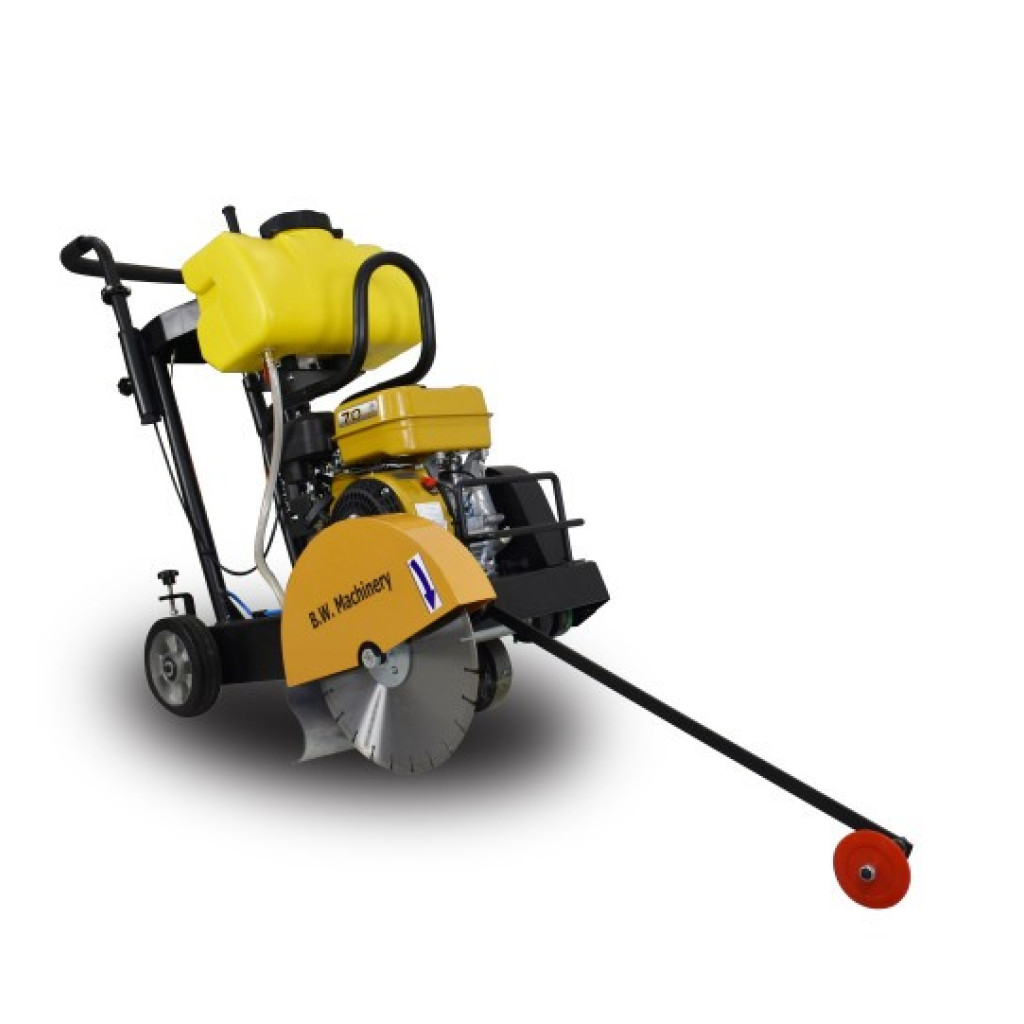
The BWM Q350 14″/350mm road concrete floor saw is run by the powerful Subaru Robin 7HP engine, with a cutting depth of 100mm. It is suitable for medium to large works.
Features:
- Lightweight and portable design
- Comfortable grip handles
- Easy crank for raising/lowering cutting depth
- Hinged front, lift-up blade guard is designed to provide easy blade replacement
- Saw position guide helps ensure straight cuts
- Water system provides an optimum flow and volume of water to the blade
- 2 Years Domestic Warranty
- 1 Year Commercial Warranty
- 2 Years Engine Warranty
BWM Q450 20″/500mm Road Concrete Floor Saw – Robin EX40 14HP Engine
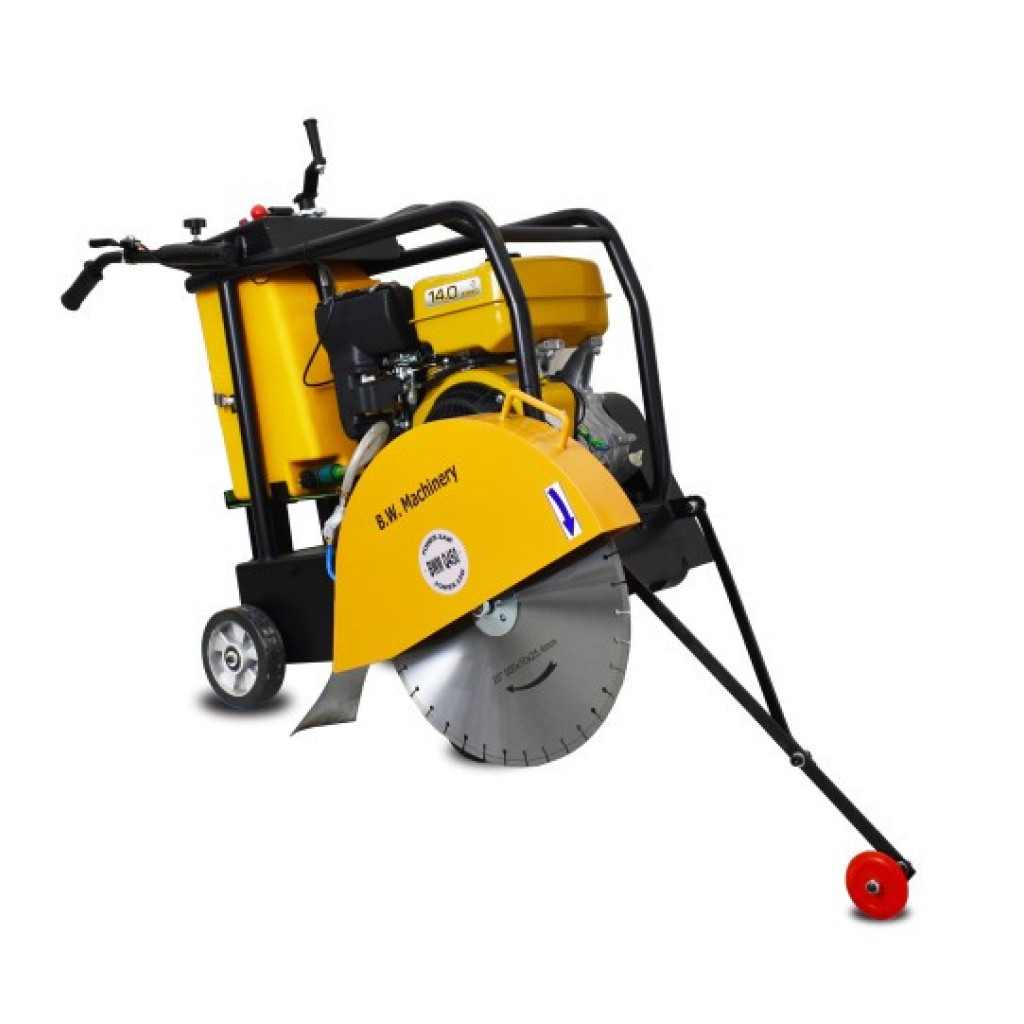
Powered by the Subaru Robin EX40 14HP engine, the BWM Q450 20″/500mm is a heavy-duty floor saw designed for all commercial works. With a maximum cutting depth of 150mm, the saw is made for asphalt and concrete cutting, road repairs and road works, concrete curbing, slabs, footpaths, re-slabbing and paving.
Features:
- Comfortable grip handles
- Easy crank for raising/lowering cutting depth
- Hinged front, lift-up blade guard is designed to provide easy blade replacement
- Saw position guide helps ensure straight cuts
- Water system provides an optimum flow and volume of water to the blade
- 2 Years Domestic Warranty
- 1 Year Commercial Warranty
- 2 Years Engine Warranty
BWM Q650 27.5″/700mm Key Start Road Concrete Floor Saw – VANGUARD 23HP engine
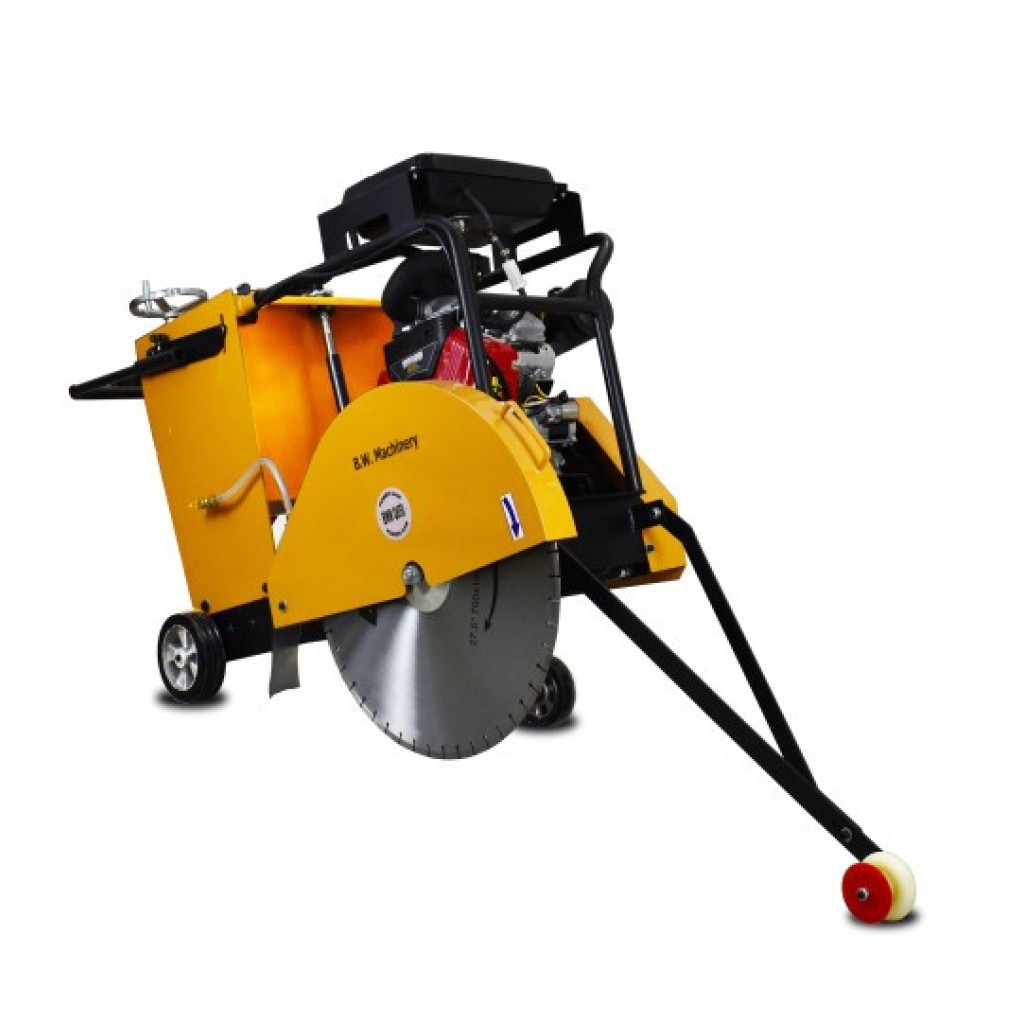
The BWM Q650 27.5″/700mm key start road concrete floor saw is a big, robust monster suitable for all large commercial works, for asphalt and concrete cutting. The self-contained drive system eliminates the drive gear from the rear wheels and reduces wear that can cause costly damage to the machine. The maximum cutting depth is 250mm.
Features:
- Self-contained drive system
- Key Start
- Comfortable grip handles
- Easy crank for raising/lowering cutting depth
- Hinged front, lift-up blade guard is designed to provide easy blade replacement
- Saw position guide helps ensure straight cuts
- Water system provides an optimum flow and volume of water to the blade
- 2 Years Domestic Warranty
- 1 Year Commercial Warranty
- 2 Years Engine Warranty
Safety Considerations
Safety should always be the top priority when using a floor saw. These machines are powerful and can be dangerous if not handled correctly. Operators should wear appropriate personal protective equipment, including gloves, eye protection, and hearing protection.
Dust suppression systems should be used wherever possible, and proper ventilation is a must when working with fuel-powered machines.
Following Australian safety standards and site regulations is not only a legal requirement but also crucial for preventing accidents and injuries.
Find The Right Floor Saw at B.W Machinery Today
Choosing the right floor saw all depends on your specific construction needs. By taking into account factors such as cutting depth, power source, material type, and portability, you can ensure better performance and safer operation on site.
Whether you’re a contractor, builder, or DIY renovator, B.W Machinery has everything you need. From floor saws and concrete saws to compactors and concrete vibrators for sale, we stock the biggest range of concrete equipment in Melbourne, Sydney, Brisbane and Adelaide.
Get in touch with our friendly team today by calling 1300 454 585, or visit one of our showrooms in Cheltenham, Oakleigh, Ringwood or Seaford.
-
 Aug 14th, 20245 Compelling Reasons to Opt for a Masport Lawn Mower
On the hunt for a new lawn mower? Wondering if these are any good? As …
Read More -
 Oct 01st, 2024How Often Should You Service a Ride-On Mower? A Maintenance Guide
From household maintenance to commercial gardening, ride-on mowers can really make landscaping a breeze. However, …
Read More -
 Nov 01st, 2024Why a Victa Lawn Mower is the Best Choice: 5 Key Reasons
Operating for more than 70 years, Victa is a name that’s synonymous with high-quality outdoor …
Read More -
 Dec 02nd, 2024How Do You Clean a Wood Chipper? Tips for Proper Maintenance
If you’ve got a wood chipper, keeping it clean is undoubtedly the best way to …
Read More -
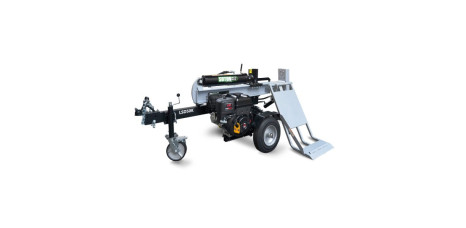 Jan 16th, 2025What to Look for When Buying a Log Splitter: Key Features to Consider
If manually splitting wood feels like a chore, a log splitter can make a world …
Read More -
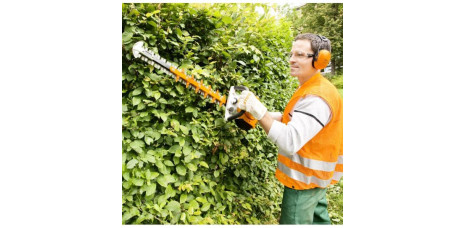 Feb 05th, 2025What Features Should You Consider When Buying A Hedge Trimmer?
In the market for a brand-new hedge trimmer? Whether you’re planning to use it occasionally …
Read More -
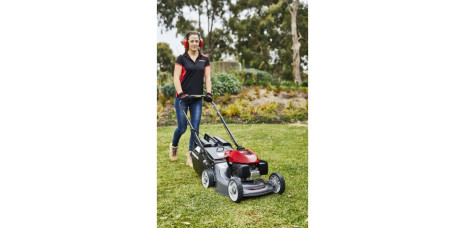 Mar 21st, 20257 Reasons to Invest in a Honda Lawn Mower
Honda has been a staple of the automotive industry for almost 80 years, consistently building …
Read More -
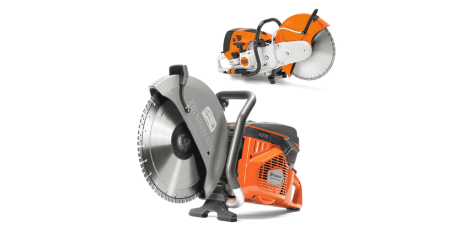 Apr 14th, 2025Stihl or Husqvarna Concrete Saws: Which is Best for You?
In the market for brand-new concrete saws? Whether you’re cutting concrete on a major construction …
Read More -
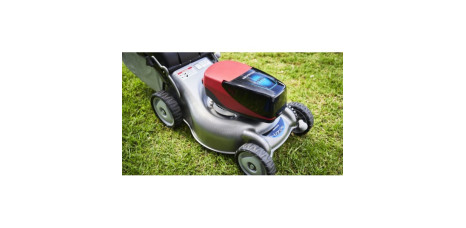 May 30th, 2025Advantages of Battery Lawn Mowers: Is It the Right Choice for You?
In the market for a brand-new lawn mower? Looking for an alternative to traditional petrol …
Read More -
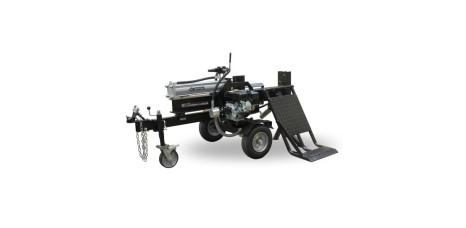 Jun 30th, 2025Hydraulic or Kinetic Log Splitters: Which Is Better for Your Needs?
If you’ve ever spent a day splitting wood with an axe, you’ll know just how …
Read More